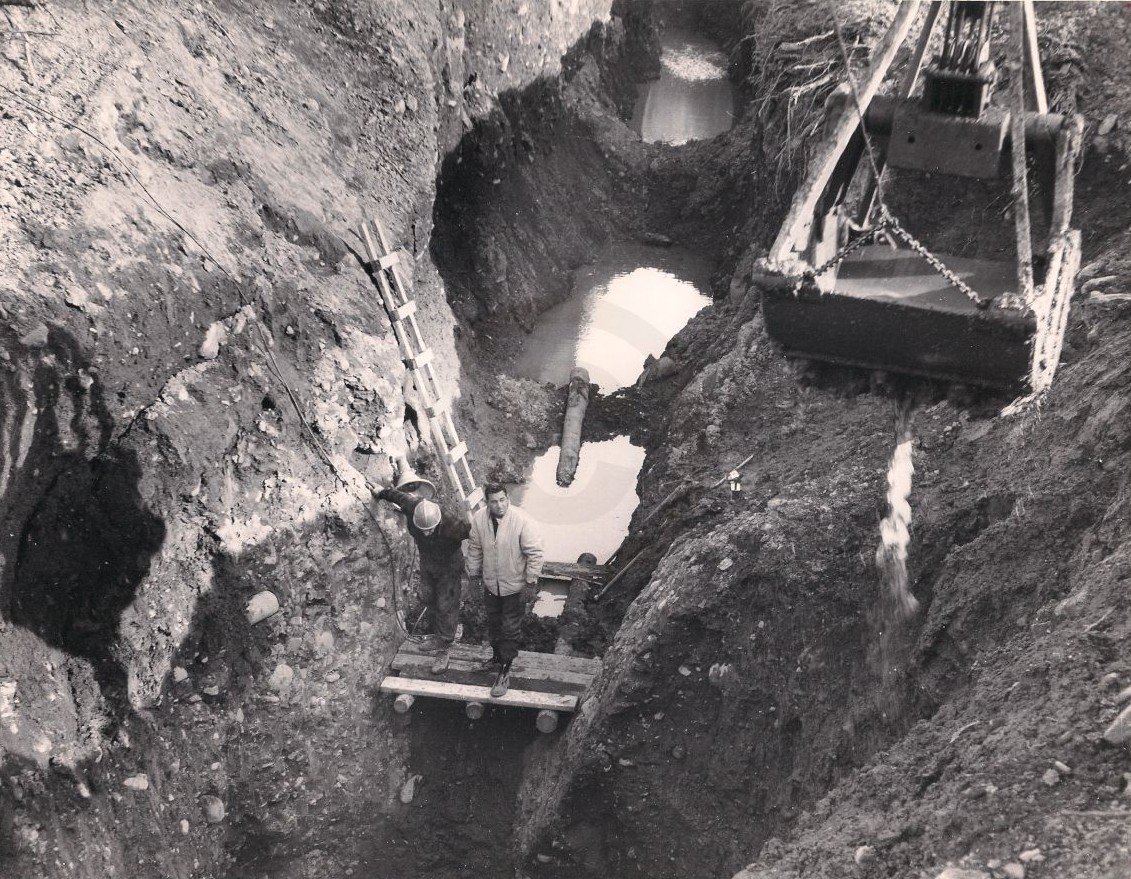
After weeks of digging through mud, rock, and scattered debris, the team reached nearly 90 feet below the surface when they hit something unusual.
After weeks of digging through mud, rock, and scattered debris, the team reached nearly 90 feet below the surface when they hit something unusual.
After weeks of digging through mud, rock, and scattered debris, the team reached nearly 90 feet below the surface when they hit something unusual.
The windswept shores of Oak Island have long whispered secrets of buried treasure, hidden tunnels, and centuries-old mysteries. Yet, even among the countless discoveries made over more than two centuries of exploration, few moments have carried the weight and intrigue of this latest excavation. What began as a routine dig has now evolved into a potentially history-altering breakthrough—one that may finally reshape how we understand the island’s enigmatic past.
For weeks, the excavation team worked tirelessly, cutting through layers of compacted soil, jagged rock, and scattered debris. Progress was slow and methodical, as it always is on Oak Island, where every inch of ground could conceal either disappointment or revelation. By the time they reached nearly 90 feet below the surface, expectations were cautious. After all, many promising digs in the past had ended in frustration. But this time felt different.
It started with a subtle change—an unusual resistance against the drilling equipment. At first, the team assumed it was just another natural obstruction, perhaps a dense rock formation or an accumulation of debris shifted over centuries. However, as they carefully cleared away the surrounding soil, something unexpected began to take shape. Edges appeared where none should exist in nature. Lines emerged—too straight, too precise to be accidental.
What lay beneath them was not random. It was deliberate.



The discovery of a structured formation at such a depth immediately sent a ripple of excitement and tension through the team. Oak Island is no stranger to man-made features buried deep underground, but each new find carries its own implications. This structure, however, stood apart. Its placement suggested intention, planning, and effort on a scale that hinted at something far more complex than a simple cache or isolated construction.
As more of the formation was revealed, its purpose became the subject of intense speculation. Was it part of an elaborate tunnel system designed to protect something of great value? Could it be a marker, a signal left behind by those who built the island’s mysterious underground network? Or perhaps it served as a barrier—something meant to guard or conceal whatever lies even deeper below?
The psychological impact of the discovery was immediate. The atmosphere shifted from routine diligence to charged anticipation. Every movement became more careful, every decision more deliberate. The team understood that they were no longer just digging—they were uncovering a piece of a puzzle that has confounded historians, treasure hunters, and researchers for generations.
What makes this discovery particularly chilling is not just its physical presence, but what it represents. To construct something so deep beneath the surface would have required immense effort, resources, and knowledge. Whoever built it did so with purpose—and with the clear intention that it remain hidden. The passage of time had done its job well, burying the structure beneath layers of earth and secrecy. Yet now, after centuries, it has been brought back into the light.
This moment may prove to be a turning point in the story of Oak Island. For years, theories have ranged from pirate treasure and lost manuscripts to ancient civilizations and secret societies. Each new discovery has added a piece to the narrative, but none have provided definitive answers. This structure, however, could be different. It may serve as a key—one that unlocks not just what lies beneath, but why it was placed there in the first place.
As the excavation continues, one thing is certain: Oak Island is not done revealing its secrets. And with each layer removed, the line between legend and reality grows thinner. What was once dismissed as myth is steadily transforming into something far more tangible—and far more extraordinary.