A monumental discovery at the bottom of the legendary Money Pit may have changed everything—unearthing ancient gold coins that point to a history far older, and far more unsettling, than anyone expected.
A monumental discovery at the bottom of the legendary Money Pit may have changed everything—unearthing ancient gold coins that point to a history far older, and far more unsettling, than anyone expected.
A monumental discovery at the bottom of the legendary Money Pit may have changed everything—unearthing ancient gold coins that point to a history far older, and far more unsettling, than anyone expected.
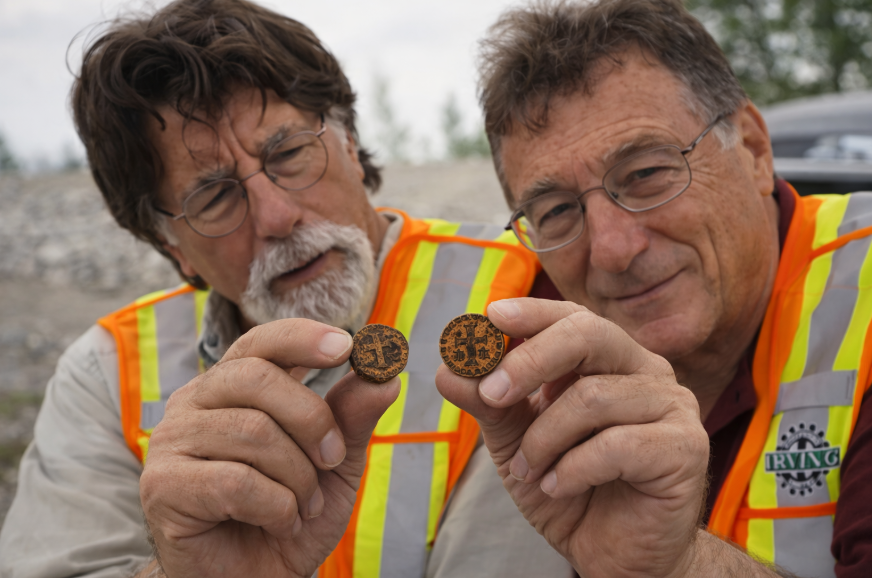
For more than two centuries, the mystery of Oak Island has drawn explorers, historians, and dreamers into its web of intrigue. Countless excavations have hinted at hidden chambers, ingenious traps, and a treasure of unimaginable value. But now, a monumental discovery at the bottom of the legendary Money Pit may have changed everything—unearthing ancient gold coins that point to a history far older, and far more unsettling, than anyone expected.
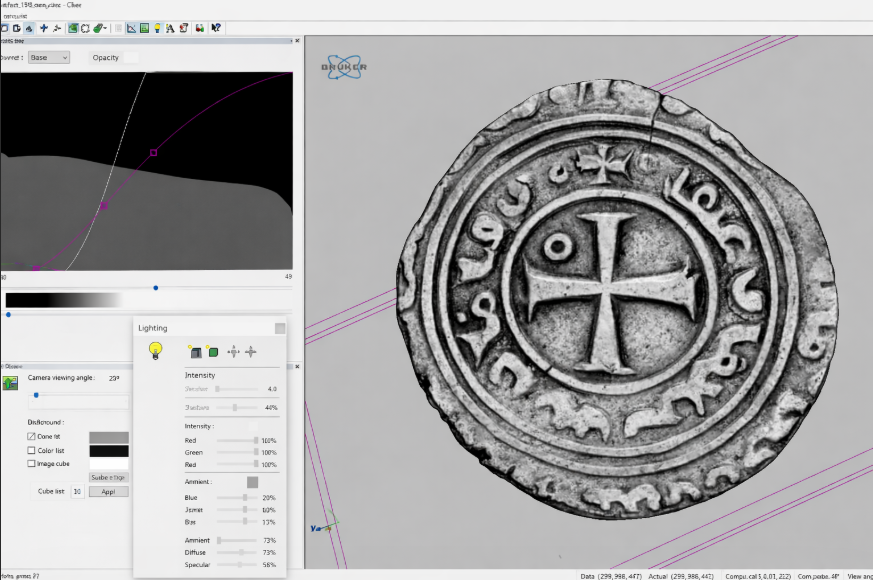
The breakthrough came after months of careful drilling and reinforced shaft stabilization. Deep below the layers of oak platforms and flood tunnels, the team recovered a cluster of gold coins unlike any previously found on the island. These were not scattered relics or isolated artifacts. Instead, they appeared deliberately placed, preserved in compact soil as if hidden with intention. What immediately caught the attention of researchers were the seals stamped onto their surfaces—symbols that do not correspond neatly with any single known civilization.
Experts examining the coins have noted a mixture of iconography. Some markings resemble medieval European crests, while others appear far older, possibly linked to early Mediterranean cultures. This fusion of styles has led to a chilling realization: the Money Pit may not be the work of one group, but rather multiple civilizations, each contributing to the island’s layered mystery over centuries.
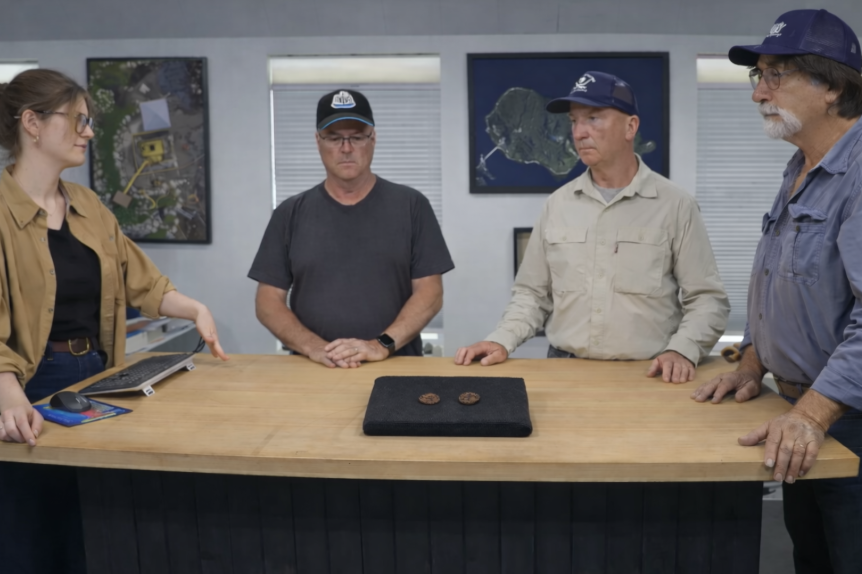
For the modern-day treasure hunters, including Rick Lagina and Marty Lagina, the discovery is both exhilarating and deeply unsettling. Their long-held belief that Oak Island contains a significant treasure has been validated in part—but the nature of that treasure is becoming increasingly complex. Instead of a single cache hidden by pirates or privateers, the evidence now suggests a site reused and possibly guarded across generations.



Even more disturbing is what the coins imply about the island’s defensive systems. The intricate flood tunnels and engineered barriers surrounding the Money Pit have always been considered unusually advanced. But if these coins date back further than previously believed, then the technology used to protect them may also have deeper origins. This raises difficult questions: who possessed such knowledge, and what were they trying so desperately to conceal?
Some historians have revisited theories involving secretive medieval orders, including the Knights Templar, while others suggest even older seafaring civilizations may have reached the island long before recorded history acknowledges. The possibility that Oak Island served as a kind of vault—used repeatedly by different groups—adds a new dimension to its mystery. It may not simply be a hiding place, but a location chosen for a specific purpose, perhaps even one tied to ritual or forbidden knowledge.
The phrase “more dangerous than anyone imagined” is no longer just dramatic speculation. Several team members have expressed concern over the increasing unpredictability of the site. Sudden collapses, unexplained equipment malfunctions, and even physical symptoms reported by workers have all intensified as excavation has gone deeper. While these घटनाएँ could be attributed to environmental factors, their timing alongside major discoveries has fueled unease.
Despite the risks, the team continues its work with renewed determination. Each coin recovered is not just a piece of gold, but a fragment of a much larger story—one that challenges established timelines and historical assumptions. The deeper they dig, the clearer it becomes that Oak Island is not just hiding treasure. It is guarding a secret.
As analysis of the coins continues, the world watches closely. If their origins can be definitively traced, they could rewrite chapters of human history and finally explain why so many resources were devoted to concealing whatever lies beneath the Money Pit. Until then, the island remains what it has always been: a place of mystery, obsession, and now, a growing sense of something far more profound—and possibly perilous—waiting in the dark.