He Preserved His Brain for Science — A Bears Legend’s Final Act That Forced the NFL to Face CTE
He Preserved His Brain for Science — A Bears Legend’s Final Act That Forced the NFL to Face CTE
He Preserved His Brain for Science — A Bears Legend’s Final Act That Forced the NFL to Face CTE
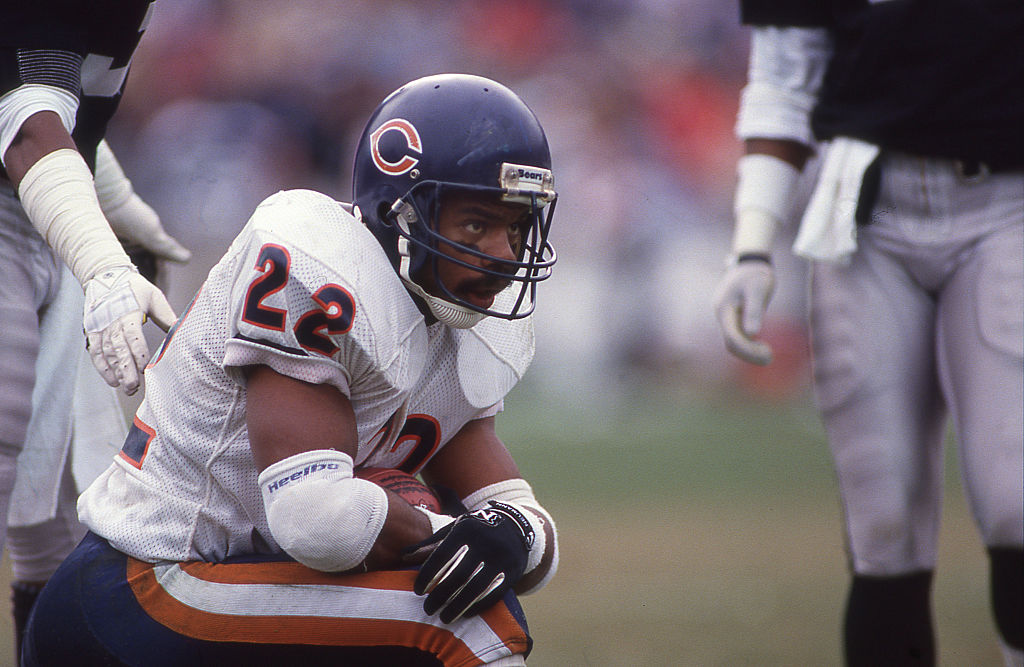
The story shocked the entire football world, not only because of the loss, but because of the purpose behind it.
It was a decision that would force the NFL to confront a truth it had long tried to ignore.
Before his name became tied to tragedy, he was a cornerstone of the Chicago Bears’ legendary defense.
A Super Bowl champion in 1985, he thrived in the iconic “46 defense” that redefined dominance in the NFL.




A four-time Pro Bowler from 1985 to 1988, he consistently ranked among the most respected safeties of his era.
He also earned multiple All-Pro honors, showcasing elite instincts, leadership, and the physical toughness that defined Chicago football.
In 1986, he recorded seven sacks as a defensive back, an extraordinary number that highlighted his versatility and aggressive play style.
Off the field, he was recognized as the NFL Man of the Year in 1987 for his contributions to community and leadership.
That name was Dave Duerson.
After retiring in 1993, Dave Duerson’s life began to decline in ways that were difficult to understand at the time.
He suffered severe headaches, memory loss, blurred vision, and struggled with emotional control and cognitive stability.
These symptoms worsened over time, affecting his personal life, business ventures, and relationships with those closest to him.
But Duerson was not unaware of what might be happening.
Through his involvement with programs supporting former players, he became familiar with growing concerns about brain trauma.
He suspected he was suffering from CTE, a condition that could only be definitively diagnosed after death at that time.
That realization led to a decision that would change everything.
On February 17, 2011, at the age of 50, Dave Duerson took his own life with a calculated purpose.
He chose to shoot himself in the chest, ensuring his brain would remain intact for scientific research.
He left behind a note that carried a message far beyond his own life.
“Please, see that my brain is given to the NFL’s brain bank.”
His brain was later studied at Boston University, where doctors confirmed advanced-stage CTE linked to repeated head trauma.
The findings sent shockwaves through the NFL, validating concerns that had been debated for years.
His final act became a turning point, pushing the league toward accountability and long-overdue change.