A DARK DISCOVERY: World War II Artifact Uncovered on Oak Island
A DARK DISCOVERY: World War II Artifact Uncovered on Oak Island
A DARK DISCOVERY: World War II Artifact Uncovered on Oak Island

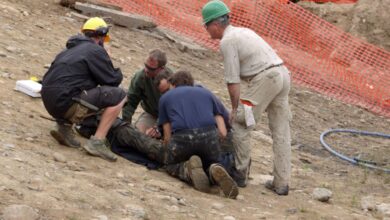
For more than two centuries, Oak Island has been synonymous with mystery, buried treasure, and legends that span generations. Stories of hidden riches, secret codes, and lost civilizations have fueled countless expeditions. From theories involving the Knights Templar to rumors of pirate gold, the island’s past has always seemed rooted in distant centuries. Yet, a recent discovery by the Fellowship of the Dig has shifted that narrative in an unexpected and somber direction—one that connects the island not to ancient history, but to the global tragedy of World War II.
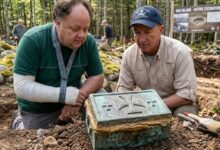
During what began as a routine excavation, the team uncovered a heavily corroded military badge buried beneath layers of soil and debris. At first glance, the object seemed insignificant compared to the grand treasures often imagined on Oak Island. However, upon closer inspection, its design and structure revealed unmistakable ties to mid-20th-century military insignia. Experts consulted by the team believe the artifact likely dates back to World War II, raising a series of haunting questions about how such an item ended up on the island.

Unlike previous finds—coins, tools, and fragments of old wood—this badge carries a very different weight. It is not merely an object of curiosity or a clue in a treasure hunt. It represents a period of immense human conflict, sacrifice, and loss. The presence of a World War II artifact on Oak Island suggests that the island may have played a role, however small or indirect, in one of the most significant events in modern history.
Historians have long documented the strategic importance of the North Atlantic during World War II. Shipping routes between North America and Europe were vital for transporting troops, supplies, and equipment. German U-boats prowled these waters, targeting Allied vessels in a deadly game of cat and mouse. It is possible that Oak Island, located off the coast of Nova Scotia, may have served as a quiet waypoint, an observation post, or even an emergency landing or docking site during the war. The discovery of the badge could be evidence of a soldier who once passed through the area—perhaps someone whose story has been lost to time.



Another theory suggests that the artifact may have been brought to the island long after the war ended. Oak Island has attracted treasure hunters and explorers from around the world for decades. It is conceivable that a veteran, or someone connected to the war, visited the island and lost the badge during an expedition. If this is the case, the object becomes a deeply personal relic rather than a direct link to wartime operations. Either way, it adds a human dimension to the island’s history—one grounded not in myth, but in real lives and real events.
What makes this discovery particularly striking is the contrast it creates. Oak Island has always been a place where imagination thrives, where stories of hidden wealth and ancient secrets capture the public’s attention. The World War II badge, however, is a reminder of a much darker reality. It shifts the focus from treasure to memory, from mystery to history. It invites reflection on the countless individuals whose lives were shaped—or ended—by the war.
For the Fellowship of the Dig, the find represents both an opportunity and a responsibility. While it may not lead directly to buried treasure, it opens a new avenue of investigation. More importantly, it calls for careful preservation and study. Artifacts like this are not just clues; they are pieces of the human story that deserve respect and understanding.
As research continues, the true origin of the badge may eventually be uncovered. Until then, it stands as a silent witness to a past that is closer to our own time than anyone expected. On an island defined by secrets, this dark discovery may prove to be one of the most meaningful yet—not because of the riches it promises, but because of the history it reveals.