THE UNTOUCHED SEAL: 40,000lb Boulder on Lot 8 Reveals Medieval Mining Secrets
THE UNTOUCHED SEAL: 40,000lb Boulder on Lot 8 Reveals Medieval Mining Secrets
THE UNTOUCHED SEAL: 40,000lb Boulder on Lot 8 Reveals Medieval Mining Secrets
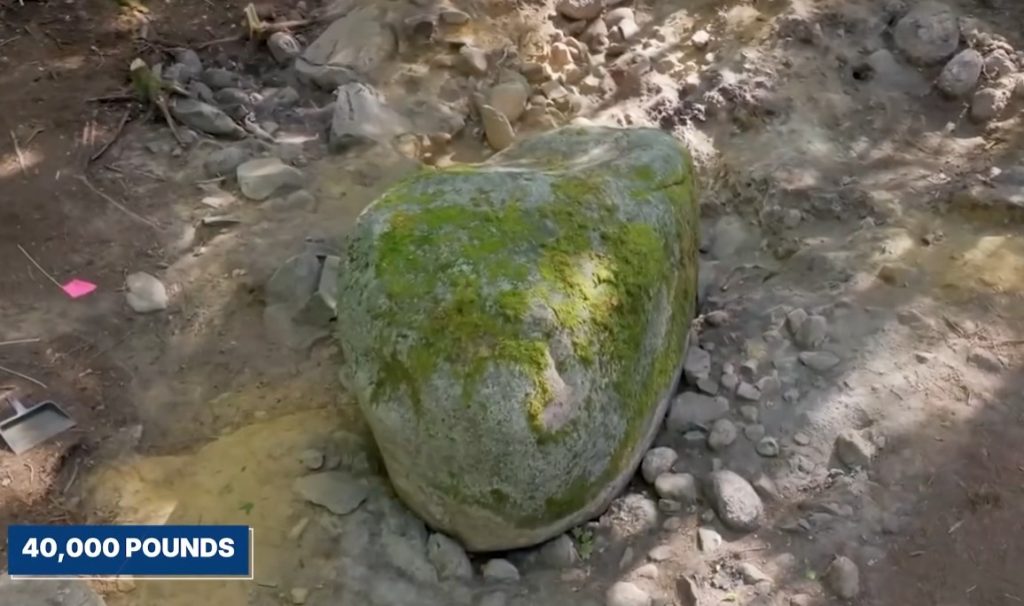
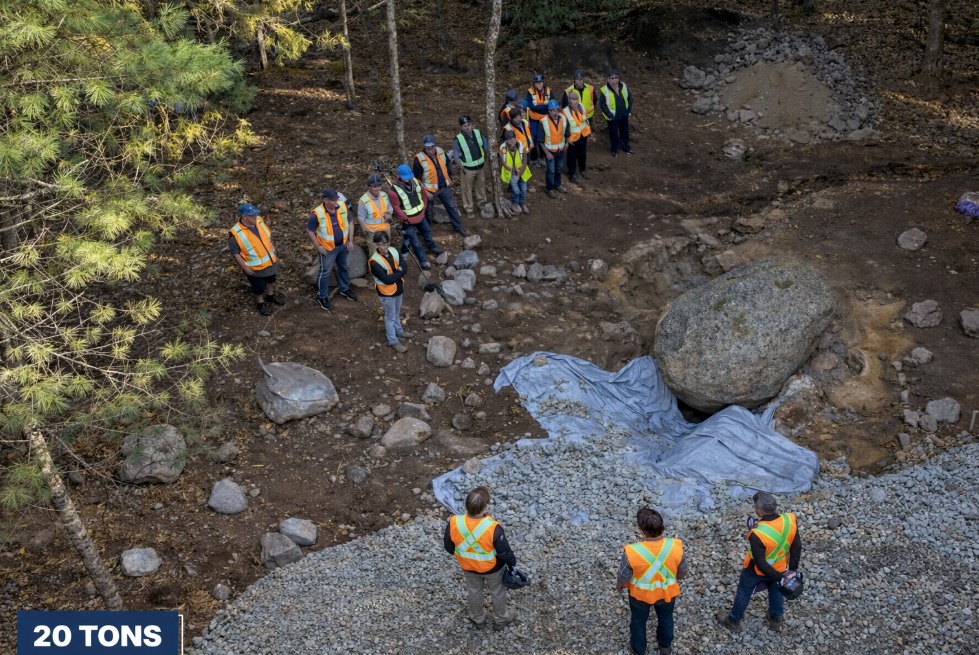
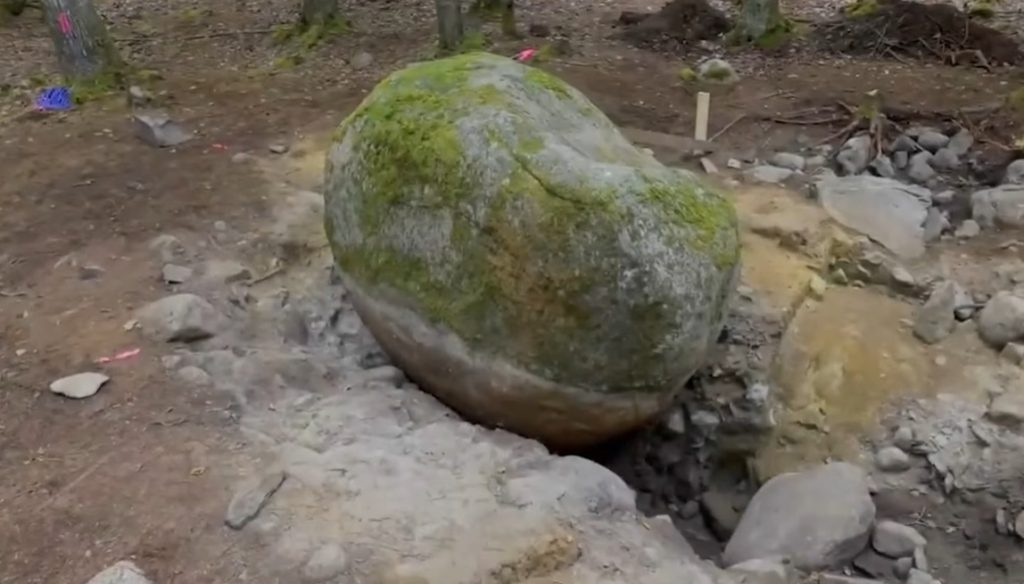
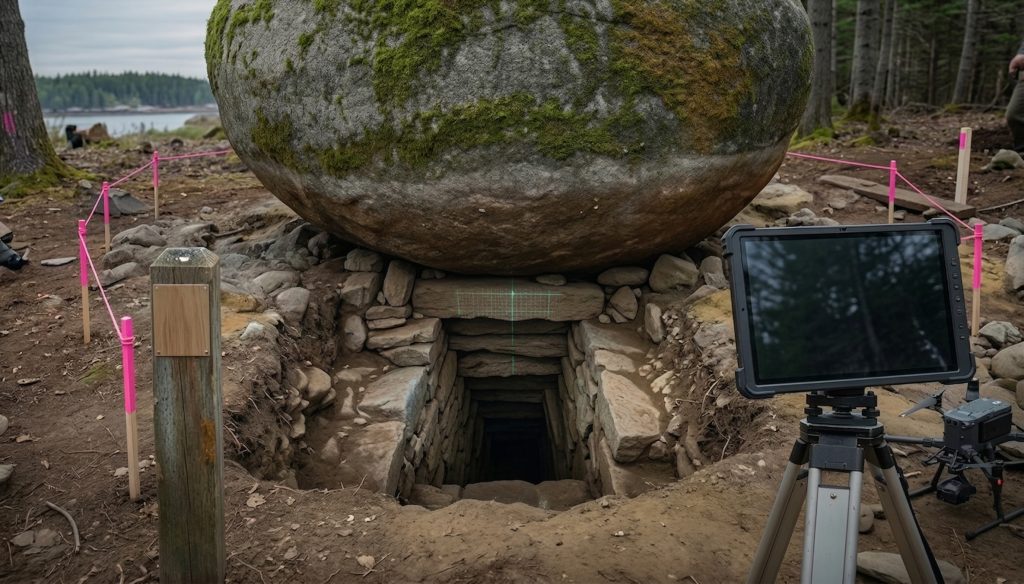
On the enigmatic shores of Oak Island, where centuries of excavation have failed to fully unravel its secrets, a discovery beneath a colossal 20-ton boulder has reignited one of history’s most enduring mysteries. Hidden below this immense slab of stone—seemingly untouched by modern hands—researchers have uncovered what appears to be an engineered shaft, one that may predate every known treasure hunter who has ever set foot on the island.
The implications of such a find are staggering. For generations, the narrative of Oak Island has revolved around the so-called Money Pit, first discovered in the late 18th century by curious explorers drawn to strange depressions in the ground. Since then, countless expeditions have attempted to locate whatever treasure or secret lies beneath, often encountering elaborate flood tunnels, wooden platforms, and baffling engineering features along the way. Yet this newly revealed shaft suggests something even older—something that may have existed long before the island became a legend.




What makes this shaft particularly intriguing is not just its structure, but the chemical signatures detected within it. Preliminary analyses indicate traces of materials consistent with early mining or excavation technologies—substances that do not align neatly with known methods from the colonial era. These signatures hint at techniques that may have been advanced for their time, or perhaps even lost to history altogether. It raises the possibility that whoever created this tunnel possessed knowledge far beyond what we typically attribute to early settlers or even pirates.
The presence of such an engineered shaft beneath a massive boulder also suggests intentional concealment. Moving or positioning a 20-ton rock would have required immense effort, coordination, and planning. This was no accidental burial. It appears to have been a deliberate act—one designed to hide the entrance to something significant. Whether that “something” is treasure, a repository of knowledge, or an entirely different kind of secret remains unknown, but the lengths taken to conceal it speak volumes.
Speculation about the creators of Oak Island’s mysteries has always been diverse. Some theories point to pirates, such as William Kidd, who were rumored to have buried treasure in remote locations to avoid detection. Others suggest the involvement of secretive organizations like the Knights Templar, believed by some to have safeguarded sacred relics or documents during periods of upheaval. There are even hypotheses involving early European explorers or unknown groups with advanced engineering capabilities for their time.
However, this new discovery complicates all existing theories. If the shaft truly predates known search efforts—and possibly even the earliest documented activity on the island—then it forces a reconsideration of the timeline. Could there have been an earlier, undocumented presence on Oak Island? A group with the resources and expertise to design and construct such a feature, yet whose identity has been completely lost to history?
Another possibility lies in the idea of layered occupation. The island may have been used by multiple groups across different eras, each building upon or modifying what came before. In this scenario, the shaft could represent the earliest phase of activity, later discovered and perhaps expanded by others who recognized its potential. This would explain the complex and often contradictory evidence that has puzzled researchers for decades.
What remains undeniable is the sense of intention behind the structure. This was not a natural formation, nor a casual excavation. It was planned, executed, and hidden with purpose. The chemical traces, the engineering, and the sheer effort required to conceal it beneath a massive boulder all point to a deliberate act—one that was meant to endure.
As investigations continue, the question at the heart of this discovery grows more compelling: who created this tunnel, and why? Was it the work of pirates seeking to hide unimaginable wealth, a secret order protecting something sacred, or an unknown group whose story has yet to be told?
On Oak Island, every answer seems to lead to deeper questions. And now, with this hidden shaft brought to light, the island once again reminds us that its greatest secrets may not lie in what we find—but in what we have yet to understand.