After centuries of mystery, speculation, and relentless excavation, Oak Island may finally be revealing a truth far more extraordinary than anyone imagined.
After centuries of mystery, speculation, and relentless excavation, Oak Island may finally be revealing a truth far more extraordinary than anyone imagined.

Oak Island Season 13 SHOCK DISCOVERY as HIDDEN Viking Tomb Clues Push the TREASURE SECRET Toward a BREAKING POINT
After centuries of mystery, speculation, and relentless excavation, Oak Island may finally be revealing a truth far more extraordinary than anyone imagined.
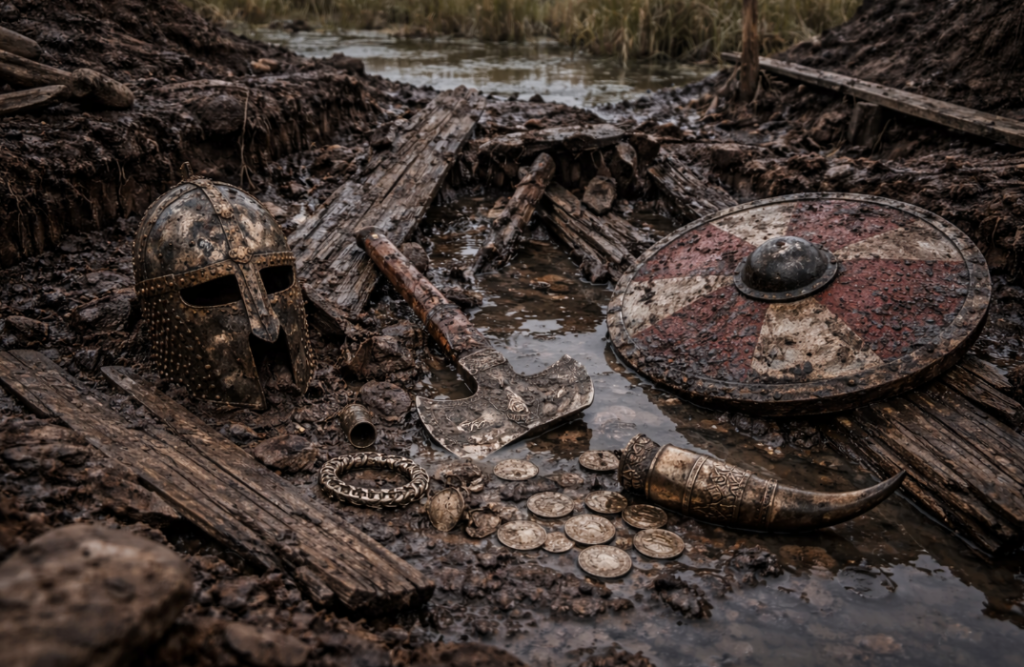
Long associated with tales of buried treasure, intricate booby traps, and the elusive Money Pit, the island has captivated historians and treasure hunters alike. But the recent discovery of what appears to be a Viking tomb hidden deep within its swampy terrain is shifting the narrative in a dramatic and unexpected direction.
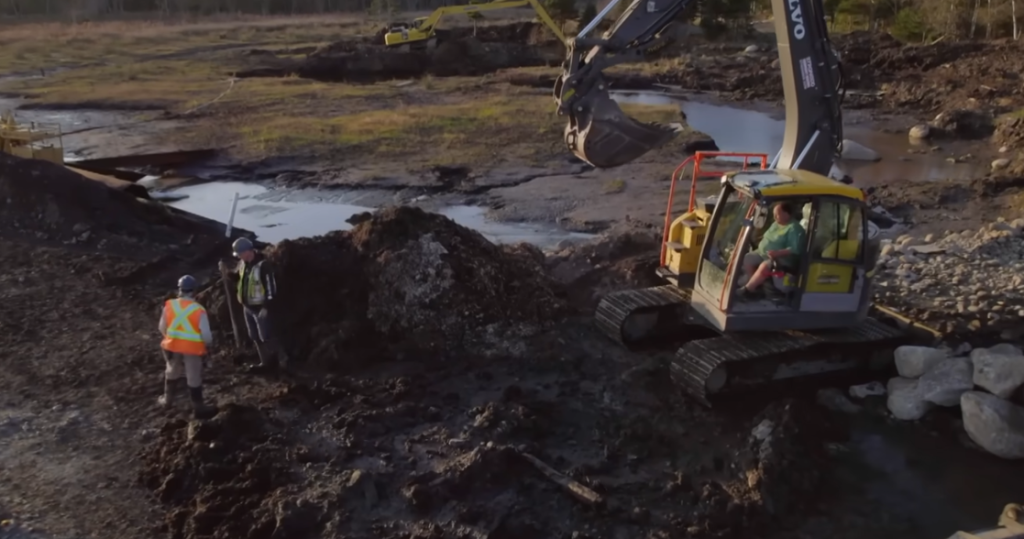
For generations, Oak Island has been framed as a site of concealed wealth—possibly linked to pirates, the Knights Templar, or even lost royal fortunes. Yet this new finding suggests something far older and arguably more significant: a connection to the seafaring Norse explorers known as the Vikings. If verified, this discovery could redefine not only the island’s history but also the broader understanding of early transatlantic exploration.




The swamp, long considered one of Oak Island’s most enigmatic features, has yielded intriguing clues in recent years. Man-made structures, unusual stone pathways, and fragments of ancient wood have hinted that the area may have been artificially constructed. Now, with the unearthing of what appears to be a burial chamber—complete with carved stones, iron artifacts, and possible human remains—researchers are beginning to piece together a narrative that predates all previous theories.
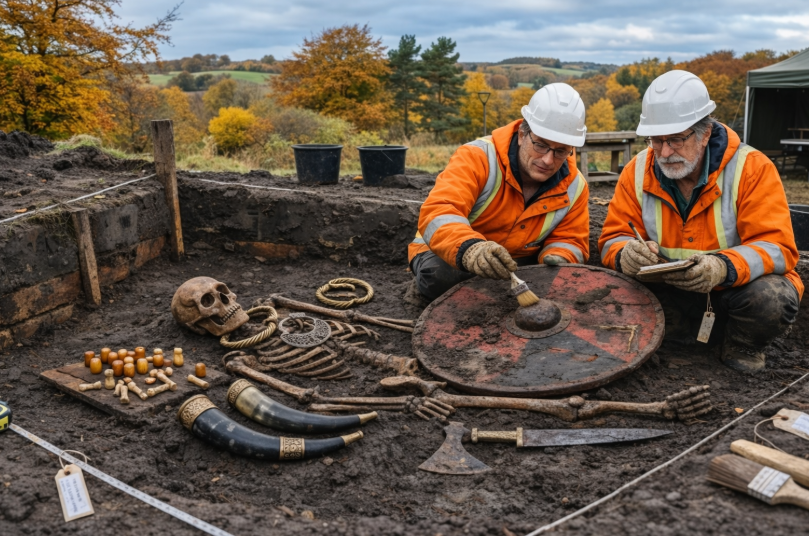
Initial analysis of the site suggests characteristics consistent with known Viking burial practices. The orientation of the chamber, the presence of iron fastenings, and the discovery of what may be remnants of a ceremonial object all point toward Norse influence. In Scandinavia, Viking burials often included personal belongings, weapons, and symbolic items intended to accompany the deceased into the afterlife. While further testing is required, the parallels are difficult to ignore.
If Vikings did indeed reach Oak Island, it would not be entirely without precedent. The confirmed Norse settlement at L’Anse aux Meadows in Newfoundland has already proven that Vikings reached North America around the year 1000. However, a site as far south as Nova Scotia—and one involving what appears to be a formal burial—would suggest a more sustained or purposeful presence than previously understood.
This raises a compelling question: why Oak Island?
One theory is that the island may have served as a strategic outpost or ceremonial site. Its natural geography—isolated, resource-rich, and relatively concealed—would have made it an ideal location for temporary settlement or ritual activity. The swamp itself, if indeed man-made, could have been designed to protect something of importance, whether sacred or practical.
Another possibility is that the tomb represents the burial of a high-status individual—perhaps a chieftain or explorer who died during a voyage. Viking culture placed immense importance on honoring the dead, particularly those of noble standing. A carefully constructed tomb in a distant land would signify not only respect but also a claim of presence—a marker that the Norse had reached and perhaps even claimed this territory.
For the Oak Island research community, this discovery is both exhilarating and disruptive. It challenges long-held assumptions and forces a reevaluation of decades of work focused primarily on treasure hunting. The narrative is no longer just about gold or lost artifacts; it is about human history, migration, and cultural exchange on a global scale.
Skepticism, of course, remains. Archaeologists and historians are calling for rigorous testing, including carbon dating, DNA analysis, and comparative studies with known Viking sites. Extraordinary claims require extraordinary evidence, and the burden of proof will be substantial. Yet even the possibility of such a connection is enough to reignite global interest in Oak Island.
What makes this moment particularly significant is its potential to bridge myth and history. For years, Oak Island has existed in a space between legend and reality—a place where theories often outpaced evidence. The discovery of a Viking tomb, however, offers something tangible, something rooted in a well-documented historical culture.
If confirmed, it would mean that Oak Island is not merely a site of hidden treasure but a chapter in the story of human exploration—a testament to the সাহ courage and reach of early navigators who crossed vast oceans long before the age of Columbus.
In the end, the island’s greatest treasure may not be gold at all, but knowledge. The truth buried beneath its soil—guarded for centuries by layers of mystery and misdirection—could reshape our understanding of the past. And as researchers continue to dig deeper into the swamp, one thing becomes increasingly clear: Oak Island is far from finished telling its story.