Federal “Home Team Act” Could Force Bears to Stay in Chicago Until 2033 — Or Sell the Team
Federal “Home Team Act” Could Force Bears to Stay in Chicago Until 2033 — Or Sell the Team
Federal “Home Team Act” Could Force Bears to Stay in Chicago Until 2033 — Or Sell the Team
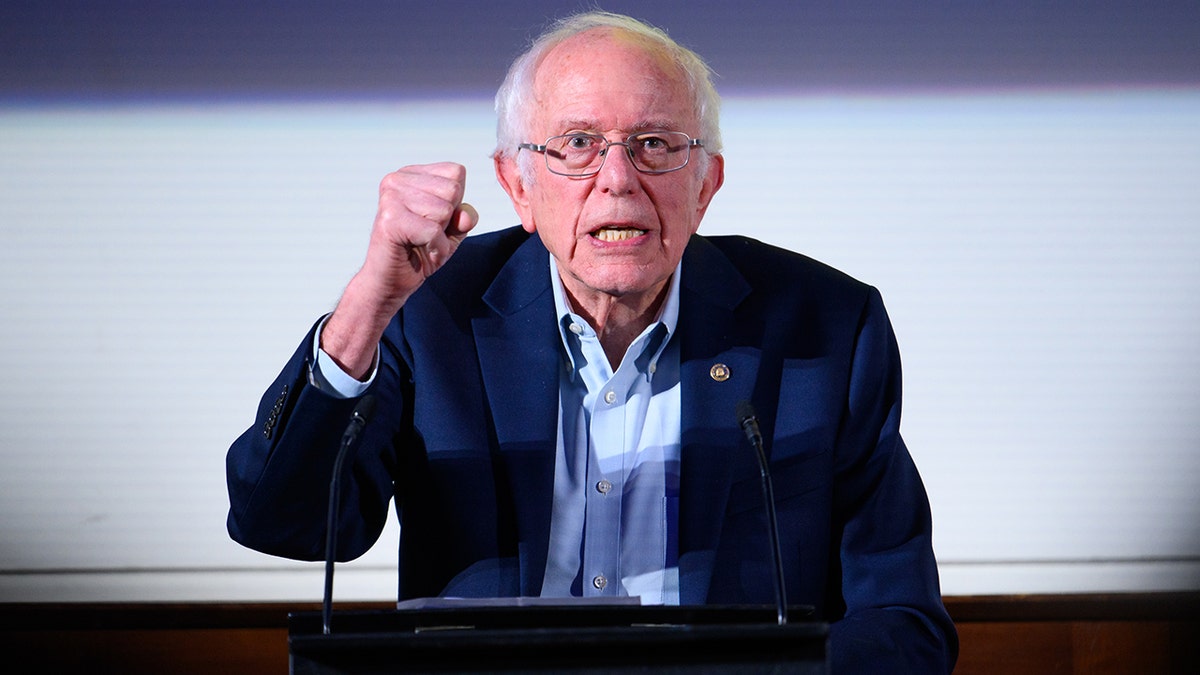
Chicago, IL – March 30, 2026
The Chicago Bears are no longer just navigating stadium negotiations, as their long-term future is now directly tied to a controversial federal proposal gaining momentum.
A new bill known as the “Home Team Act,” introduced by Bernie Sanders, could dramatically reshape how NFL franchises handle relocation decisions moving forward.




Under the proposed legislation, any professional sports team would be required to provide at least one year of notice before relocating to another state or market.
More significantly, the bill includes provisions that could force ownership groups to sell their franchise if they attempt to relocate under certain defined conditions.
League insiders widely believe this proposal is directly tied to the Bears’ ongoing efforts to leave Chicago for Arlington Heights or potentially Indiana.
Local political resistance in Illinois has already stalled progress on new stadium developments, leaving the Bears searching for alternative solutions outside the city.
Now, with federal involvement entering the picture, those alternatives could be severely limited, potentially trapping the team in its current situation for years.
If the bill is passed, the Bears could effectively be locked into Soldier Field until at least 2033, when their current lease agreement expires.
Attempting to leave before that timeline could trigger legal consequences, financial complications, or even pressure to relinquish control of the franchise entirely.
“This is no longer just about where the team plays,” one league executive explained. “It’s about who ultimately controls that decision moving forward.”
Supporters of the bill argue that it protects loyal fan bases and prevents teams from leveraging relocation threats to secure public funding advantages.
However, critics strongly oppose the proposal, viewing it as a dangerous level of government interference in privately owned sports organizations.
Concerns have also emerged regarding how a “fair and reasonable price” would be determined if ownership were forced into a sale scenario.
Analysts warn that such a system could open the door to manipulation, political influence, or even corruption depending on how valuation processes are handled.
Meanwhile, Chicago officials appear determined to keep the Bears within city limits, especially after previous financial commitments tied to Soldier Field renovations.