Oak Island Bombshell: Medieval Axis Discovery Rewrites the Templar Timeline — Was This Their Final Hiding Place?
Oak Island Bombshell: Medieval Axis Discovery Rewrites the Templar Timeline — Was This Their Final Hiding Place?
Oak Island Bombshell: Medieval Axis Discovery Rewrites the Templar Timeline — Was This Their Final Hiding Place?
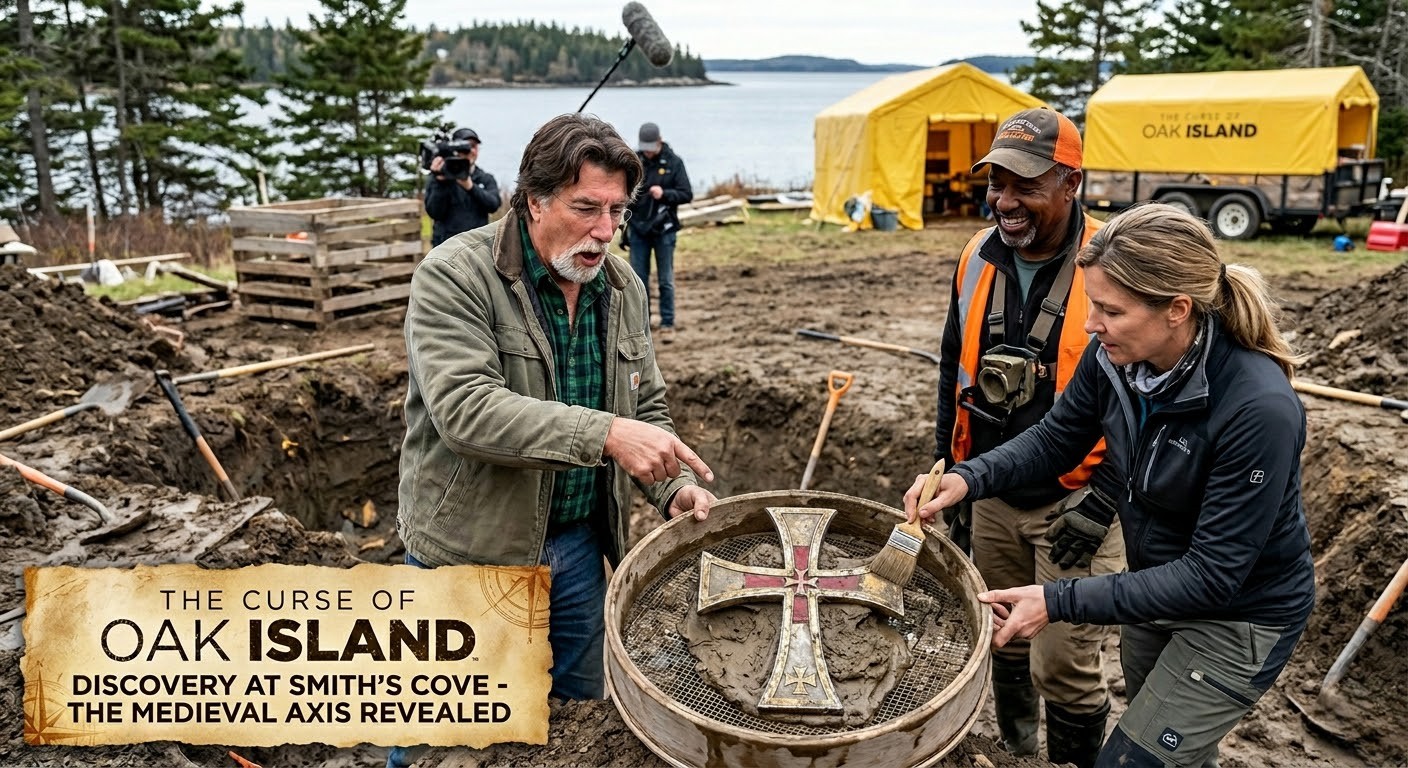
A shocking new discovery on Oak Island has sent ripples through the world of historical research and treasure hunting alike. What began as a routine excavation has now evolved into a potentially groundbreaking revelation—one that could fundamentally alter the timeline of medieval exploration and the long-debated movements of the Knights Templar.
Deep below the surface, the team uncovered what experts are calling a “medieval axis”—a carefully aligned structural feature that appears to connect multiple underground elements with striking precision. Unlike previous finds, which often hinted at scattered activity, this axis suggests deliberate planning and advanced engineering. Early analysis indicates that the alignment may correspond to celestial markers or navigational points known during the medieval period, raising questions about who constructed it—and why.
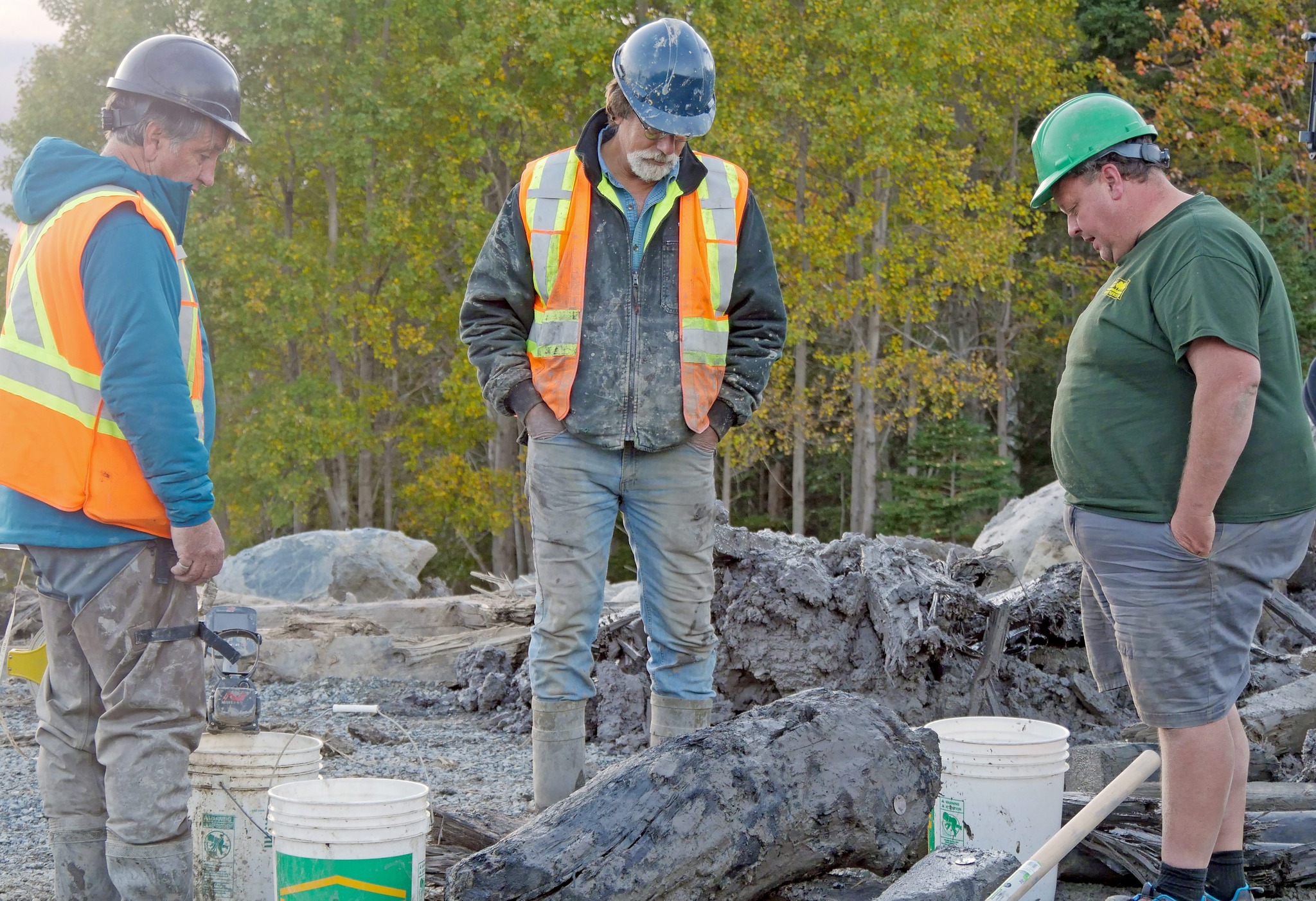




What makes this discovery even more compelling is its potential connection to the Knights Templar. For centuries, theories have suggested that the Templars, following their sudden dissolution in the early 14th century, may have transported sacred relics or vast treasures across the Atlantic. While mainstream historians have often dismissed these claims, the newly uncovered axis presents a challenge to that skepticism.
Carbon dating of surrounding materials and structural analysis suggest that parts of the construction could predate known European exploration of the region. If confirmed, this would imply that a highly organized group with advanced knowledge reached Oak Island long before the commonly accepted timeline. The precision of the axis—its angles, depth, and relation to other underground features—points to a level of sophistication rarely associated with early expeditions.
Adding to the mystery, artifacts found near the axis include fragments of metalwork and stone carvings bearing unfamiliar symbols. Some researchers argue that these markings resemble iconography loosely associated with Templar traditions, while others caution against jumping to conclusions without further evidence. Still, the consistency of these findings with longstanding theories is difficult to ignore.
Perhaps the most tantalizing aspect of the discovery lies in where the axis appears to lead. Preliminary scans indicate that it converges toward a deeper, sealed chamber—one that has yet to be fully accessed. This has fueled speculation that the structure was designed not just as a passageway, but as a guide to something intentionally hidden. Could this be the final resting place of a significant Templar treasure? Or even a sacred relic long thought lost to history?
Skeptics remain cautious, emphasizing the need for rigorous testing and peer-reviewed analysis before drawing definitive conclusions. Oak Island has a long history of promising leads that ultimately led to dead ends. However, even the most critical voices acknowledge that this discovery stands apart due to its scale and apparent purpose.
As the team prepares to explore the chamber at the end of the axis, the stakes have never been higher. If the structure and its contents can be conclusively linked to the Knights Templar, it would not only validate centuries of speculation but also reshape our understanding of medieval history and transatlantic exploration.
For now, the mystery deepens. Is this axis the key to unlocking Oak Island’s greatest secret? And if so, what exactly lies at the end of it? The answers may soon come to light—but they could raise even more questions than anyone is prepared for.